
Reviews
Classic Tile Matching Puzzle stands out for its unhurried approach. The blocking rule—tiles must be free above and on one side—turns simple matching into a spatial logic challenge. Hints and shuffle options prevent frustration, though relying on them lessens the satisfaction. The muted visuals and soft sounds suit short breaks or longer sessions. It is best for players who enjoy pattern recognition and planning without time pressure. The main limitation is a lack of variety beyond layout changes, but the core mechanic remains engaging for fans of the genre.
About this game
Matching Pairs Under Constraints
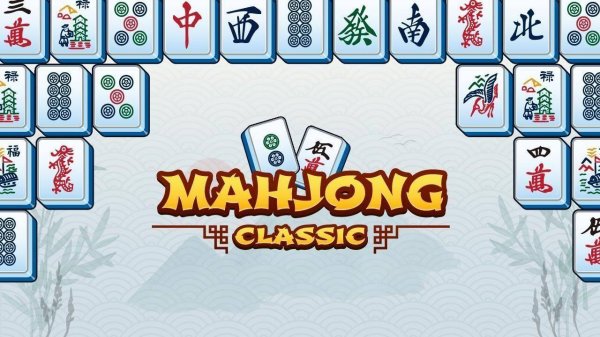
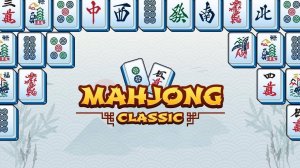
The board holds tiles marked with traditional symbols. Your task is to remove every tile by choosing two identical ones. A tile is selectable only when nothing sits above it and at least one of its sides is unblocked. That single restriction turns a simple matching task into a spatial reasoning challenge. You constantly scan for open pairs while anticipating which removals will free up new tiles. The game does not rush you; the pressure comes from the layout itself.
Planning Ahead
Every removal changes the board. Clearing a pair may expose tiles that were previously buried, but choosing the wrong pair can leave you with no valid moves. The game offers hints and a shuffle option when you get stuck, though relying on them reduces the sense of accomplishment. Thinking two or three moves ahead is the core skill. Players who enjoy logic puzzles will recognize the satisfaction of untangling a layout through deliberate choices rather than speed.
Calm Visuals and Sound
The design uses muted colors and classic tile motifs. There is no visual clutter, so your eyes can track symbols without distraction. Soft background sounds and gentle animations reinforce the unhurried pace. This atmosphere makes the game suitable for short breaks or longer, focused sessions. It does not demand constant attention, but it rewards it when you give it.
Progression and Audience
Each board presents a unique arrangement of tiles. The rules stay the same, but the layout changes, so no two puzzles feel identical. Children can practice pattern recognition, while adults can appreciate the strategic depth. Because there are no time limits or pressure mechanics, players progress at their own pace. The game works well for anyone who wants a quiet, thoughtful puzzle without stress.
Compatibility
FAQ
Comments
Sign in to leave a review
No comments yet.





Editorial Notes