
Reviews
Pet Vehicles Tile Swap delivers a straightforward match-3 loop: swap adjacent tiles, clear three or more, and manage a progress gauge that drains when matches stall. The animal-vehicle theme adds visual charm without complicating the grid. Difficulty rises through more varied tile layouts rather than time pressure, making it accessible for casual players and moderately engaging for puzzle veterans. The main limitation is the absence of stated multiplayer or story elements, so the appeal rests entirely on the core matching mechanic and chain-reaction scoring.
About this game
Matching Animal Vehicles
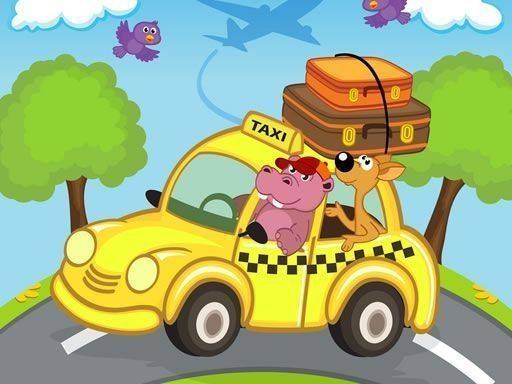
Pet Vehicles Tile Swap is a tile-matching puzzle built around a simple swap mechanic. The grid is filled with colorful tiles, each showing a small animal driving a vehicle—a dog in a car, a cat in a truck. Players select two neighboring tiles and exchange their positions. When three or more tiles of the same color form a horizontal or vertical line, they vanish, points are awarded, and new tiles drop in to fill the gaps. Those falling tiles can create chain reactions that add bonus points without any extra input.
Reading the Progress Gauge
A vertical bar on the left side of the screen tracks overall progress. Successful matches push the gauge upward. If too many moves pass without a match, the gauge slides down. Letting it reach empty ends the current session. This design replaces a countdown timer with steady pressure: players can think between moves, but ignoring the board for too long has consequences. The gauge rewards consistent matching while leaving room for occasional mistakes.
Visual Clarity and Feedback
Tiles use bright, distinct colors so matches are easy to spot at a glance. The animal-vehicle illustrations add personality without obscuring the color coding that drives matching decisions. A plain background keeps attention on the grid. Light sound effects mark matches and chain reactions, giving immediate feedback that reinforces successful swaps.
How Difficulty Develops
Early boards use simple arrangements, letting players learn swapping and the gauge system without pressure. As play continues, tile distributions become more varied, requiring closer observation to find matches. No timer forces a move, so players can pause and evaluate the grid. This gradual ramp suits newcomers who want a relaxed pace and puzzle fans seeking moderate challenge.
Planning Beyond the First Match
Effective play means looking past the immediate match. Scanning the whole board for cascading opportunities can produce longer chains and higher scores. Working from the bottom upward often reveals new patterns, and focusing on the center can create more options for later moves. The gauge acts as a real-time performance indicator, helping players decide when to take a quick match and when to set up a larger sequence.
Compatibility
FAQ
Comments
Sign in to leave a review
No comments yet.







Editorial Notes