
Reviews
Drawing Rhythm Showdown stands out through its pencil-sketch art style rather than its song count. With only three custom tracks, the game leans on its visual identity and the tension of its progress-bar mechanic to hold attention. The arrow-key input is easy to learn, and Free Play Mode gives players room to practice. It suits rhythm fans who value a creative aesthetic and don't mind repeating songs to build consistency.
About this game
Pencil-Sketch Visual Identity
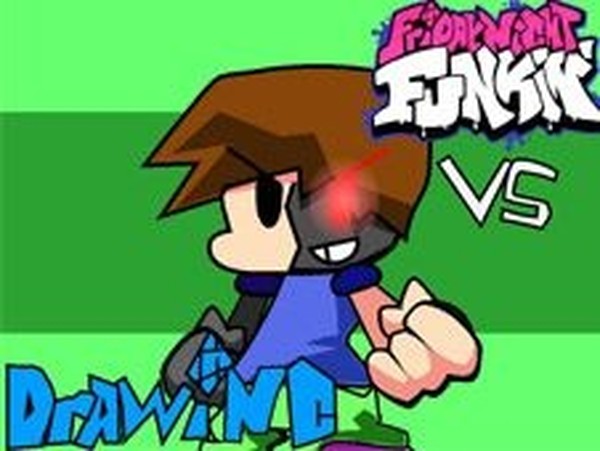
Every character, background, and sprite in Drawing Rhythm Showdown is designed to resemble a pencil-and-paper sketch. This hand-drawn look sets it apart from typical rhythm games and gives the musical showdown between the main character and the Drawing character a distinct visual tone. The art style is consistent across all elements, reinforcing the creative theme rather than treating it as a cosmetic overlay.
Timing-Based Note Matching
The core mechanic is straightforward: arrow symbols appear on screen, and players press the corresponding arrow keys exactly when those symbols align with matching indicators. Timing is the deciding factor. Accurate hits fill the progress bar toward the player's side, while missing too many notes in a row causes a loss and forces a restart from the beginning of the song. This creates a clear risk-reward loop where consistency matters more than raw speed.
Three Custom Songs, Two Modes
The game includes three new custom songs, each with its own rhythm and challenge level. Players choose between Story Mode, which provides a structured sequence of musical showdowns, and Free Play Mode, which allows repeated practice on individual songs without the pressure of story progression. Free Play is the natural place to learn note patterns before returning to Story Mode.
Who This Suits
Drawing Rhythm Showdown targets rhythm game fans who appreciate a creative art style and simple arrow-key controls. The family-friendly content and easy-to-learn input scheme make it accessible to newcomers, while the timing demands and restart-on-failure rule give experienced players something to master. Success depends on listening to the beat, staying calm through mistakes, and building reflexes through repetition.
Compatibility
FAQ
Comments
Sign in to leave a review
No comments yet.







Editorial Notes