
Reviews
Grimace Climbing Quest delivers exactly what its name suggests: a bright, arcade-style climb built on timing and observation. The one-tap control scheme makes it accessible, but moving platforms and gaps create a difficulty curve that rewards patience over speed. The cheerful visuals and short climb lengths suit players who enjoy skill-based jumping games in brief sessions. The main limitation is the lack of variety beyond the core jump-and-climb loop, so players seeking deeper mechanics may find it repetitive.
About this game
Climbing the Floating Tower
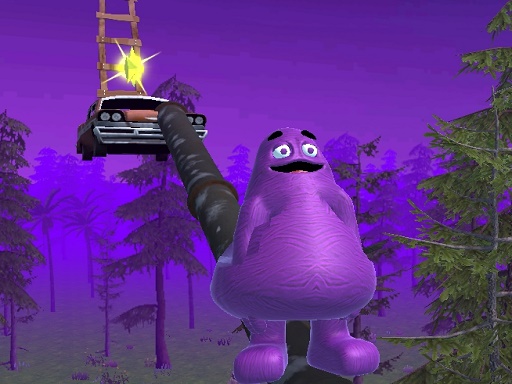
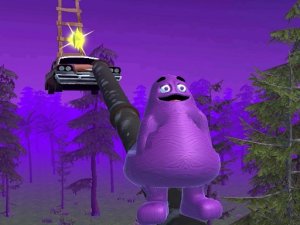
Grimace Climbing Quest puts you in charge of Grimace, an agile character with a single goal: climb as high as possible. The world is made of floating objects, moving platforms, and colorful obstacles. Each ascent presents a new layout, so you cannot memorize a fixed path. Instead, you read the arrangement of platforms as you go and decide where to jump next. The game ends when you fall, so every jump carries a small risk. Reaching the finish line at the top requires steady hands and quick reactions.
Tap-to-Jump Controls
Controls are deliberately simple. You use a mouse or touch screen: click or tap to make Grimace jump from one platform to the next. There is no run button or complex combo system. The challenge comes from timing. Moving platforms shift position, and gaps between objects require you to wait for the right moment. Because the input is so basic, beginners can start within seconds, but the increasing difficulty means experienced players still need focus. Clear visual feedback helps you judge whether your last jump was too early or too late.
Why Timing Matters More Than Speed
Rushing usually leads to falling. The game rewards observation: before you tap, you watch the rhythm of moving platforms and the distance between stationary ones. Each attempt teaches you the pattern of a particular section. Falling is not a punishment but a reset that shows where your timing broke down. The cheerful visuals keep the mood light, but the core loop is skill-based. Short breaks work well because a single climb can last only a few minutes, yet the difficulty curve encourages repeated attempts.
Compatibility
FAQ
Comments
Sign in to leave a review
No comments yet.





Editorial Notes