
Reviews
Tic Tac Toe Puzzle Challenge succeeds as a straightforward digital adaptation of a timeless game. The automatic win detection and smooth touch or click controls remove friction, making it easy for all ages to play. Its two-player local mode shines for face-to-face competition, and the vibrant theme adds modest charm. However, the absence of an AI opponent or online play limits solo and remote play. For what it is—a quick, accessible strategy puzzle—it delivers exactly what the classic grid promises.
About this game
Classic Grid, Digital Twist
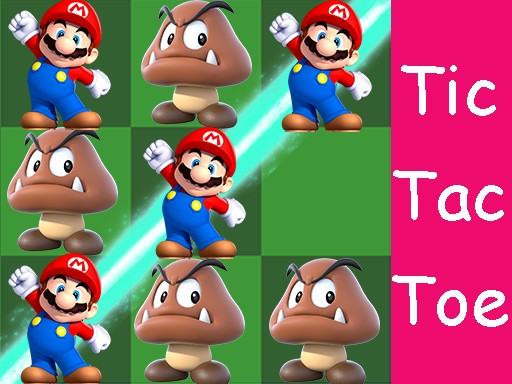
Tic Tac Toe Puzzle Challenge keeps the familiar 3x3 grid and the goal of placing three of your marks in a row horizontally, vertically, or diagonally. One player uses X, the other O, and turns alternate until someone wins or the board fills for a draw. The digital version adds vibrant graphics and smooth animations, but the core rule set remains unchanged. This makes it instantly understandable for anyone who has played the pen-and-paper original, while the polished presentation gives it a fresh feel.
How a Round Unfolds
Each turn, you tap or click an empty square to place your symbol. The game checks for a winner automatically after every move, so there is no need to scan the board manually. When a line of three appears, the round ends immediately. If all nine squares are filled without a winner, the game declares a draw and resets for another round. This loop is quick—most rounds last under a minute—which suits short breaks or repeated matches. The lack of timers or complex rules keeps the focus on pure decision-making.
Two-Player Competition and Solo Practice
The primary mode is two-player, allowing friends or family to compete on the same device. Player one and player two take turns, so no additional setup is required beyond passing the device or sharing the screen. Because there is no AI opponent mentioned, the game is best for local multiplayer or for practicing patterns against yourself. The simple controls work on any device with a touchscreen or mouse, making it accessible across phones, tablets, and computers.
Strategy That Fits in a Coffee Break
Despite the small board, there is real strategic depth. Controlling the center square early is a common opening because it participates in four possible winning lines. Blocking an opponent's two-in-a-row is essential, and creating a fork—two threats at once—forces a win unless the opponent can block both. Recognizing these patterns improves with repetition. The game rewards careful observation over speed, and a draw against a skilled opponent is a respectable outcome. The digital format removes setup and cleanup, so you can play several rounds in a few minutes.
✅ Compatibility & Testing
FAQ
Comments
Sign in to leave a review
No comments yet.








Editorial Notes