
Reviews
Climbing Heights Arcade Runner keeps its scope tight: automatic upward movement, two timed inputs, and floors that rearrange gaps and barriers. The gradual introduction of obstacle types and the presence of treasures and hidden routes give repeat runs some variety. The gentle early curve and clean visuals make it approachable for families, though players seeking deep progression or a definite ending will not find one here. Its value lies in short, precise attempts and personal bests.
About this game
Timing Over Speed
In Climbing Heights Arcade Runner, the character moves upward on its own. You only control two actions: jump to clear gaps and duck to avoid low-hanging barriers. Each floor presents a fresh arrangement of these obstacles, so success comes from reading the pattern and reacting at the right moment. A well-timed input lets you continue smoothly; a mistimed one can drop you back to a lower section. That loop of observation and action defines every run.
Bright, Readable Tower Design
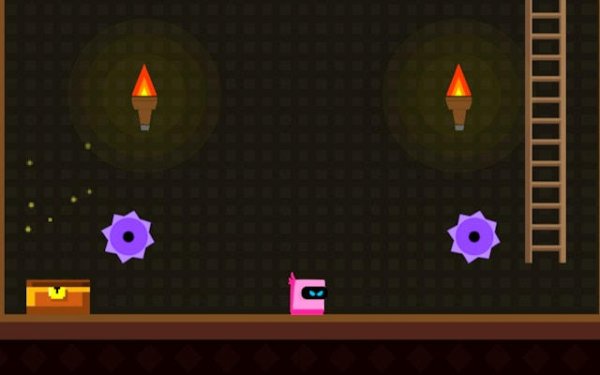
The tower uses a colorful, cartoon-like art style with playful decorations and cheerful backgrounds that shift as you climb. The palette stays upbeat even during harder sections, keeping the tone light rather than stressful. Because the presentation is clean and uncluttered, obstacles remain easy to read, which matters when split-second decisions determine whether you keep your height.
Gradual Obstacle Variety
Higher floors introduce new obstacle types at a measured pace, giving you time to adjust before patterns grow more demanding. Hidden routes and collectible treasures appear throughout the tower. Treasures raise your score and sometimes sit along safer or alternative paths, so exploration can pay off on repeat attempts. There is no fixed endpoint; the goal is simply to reach a new personal best height.
Built for Short Sessions
A single attempt typically lasts a few minutes, which suits quick breaks. Controls are limited to one tap or click, so no tutorial is needed to start. The difficulty curve begins gently, letting newcomers build confidence before facing complex patterns. After each mistake, immediate feedback shows what went wrong, helping you adjust on the next try. Casual players and dedicated score-chasers can both find value in that structure.
✅ Compatibility & Testing
FAQ
Comments
Sign in to leave a review
No comments yet.







Editorial Notes