
Reviews
Kinetic Cascade Brick Breaker takes the familiar paddle-and-ball setup and turns it into a game of cascading motion. The challenge comes from releasing chained spheres and then managing the growing number of free spheres bouncing around the screen. Precise paddle angles are key to reaching awkward clusters, and the gradual difficulty curve gives players time to develop that skill. The clean visual design keeps the action readable even when the play area gets busy. It suits players who enjoy strategic arcade games where small adjustments have large effects, though those seeking fast reflex-only action may find the pace more deliberate.
About this game
Core Loop and Paddle Mechanics
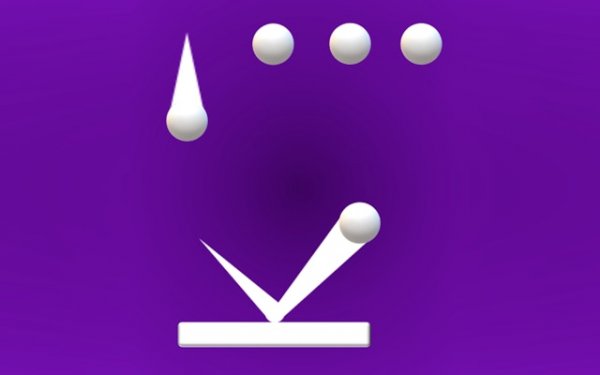
Kinetic Cascade Brick Breaker places a horizontal paddle at the bottom of the screen. You direct a small number of initial spheres upward to strike clusters of chained spheres. When a chained sphere is hit, it breaks free and joins the play area as an active, ricocheting object. Free spheres bounce off walls and the paddle, and each one can strike additional chained clusters, setting off a chain reaction. The paddle responds to mouse or touch input, and its angle at the moment of contact determines the sphere's outgoing trajectory. Angling the paddle is essential for reaching clusters positioned at awkward angles. Small, deliberate movements tend to work better than large sweeps.
Visual Feedback and Escalation
The screen uses clean, bright colors to separate chained spheres from free ones. As more spheres are released, the play area becomes busier, with multiple spheres bouncing at once. This visual escalation signals progress and demands sustained focus. The design avoids clutter, so each sphere remains easy to track even as the action intensifies.
Progression and Difficulty
Early stages introduce a small number of chained spheres, giving you room to learn the paddle mechanics and the angle system. Later stages increase the number of clusters and make their placement more complex, requiring more precise planning. The difficulty ramps gradually, so you have time to develop reflexes and strategic thinking rather than facing sudden spikes.
Practical Paddle Tips
Focus on releasing spheres near the center of the play area, since they tend to trigger reactions in multiple directions. Keep the paddle centrally positioned when possible, moving only to intercept spheres heading toward the edges. If the field becomes crowded, let the spheres bounce naturally for a moment instead of trying to direct every hit. These habits reduce unnecessary paddle movement and help you maintain control during heavy cascades.
Compatibility
FAQ
Comments
Sign in to leave a review
No comments yet.




Editorial Notes