
Reviews
Woodland Fruit Matching Puzzle delivers a straightforward match-3 experience with a gentle woodland theme. Its strength lies in the variety of level goals—clearing fruit counts or hitting score targets within move limits—which keeps each board feeling distinct. Power-ups add a layer of tactical decision-making, especially when saved for difficult moments. The gradual difficulty curve makes it welcoming for newcomers while still offering depth for experienced puzzle fans. The main limitation is that the core loop remains familiar, so players seeking radical innovation may find it conventional.
About this game
Connecting Fruit Tiles
The core action is simple: link two or more identical fruit tiles to remove them from the board. Every successful match adds to your score, and larger groups or chain reactions yield higher point totals. The interface stays out of the way, so attention remains on the grid rather than on complex controls. That straightforward loop makes the game easy to start but still rewards careful observation for players chasing better scores.
Level Goals and Board Variety
Each level presents a distinct board layout with a specific target. Some stages ask you to clear a set number of fruit, while others require reaching a minimum score within a limited number of moves. Because objectives shift, no two puzzles feel identical. As you progress, layouts become more intricate, demanding more thoughtful planning before each move.
Power-Ups and When to Use Them
When a board stalls, special tools can shift the outcome. Swap Magic exchanges two tiles, Lightning Strike clears a row or column, and Fruit Blast removes a cluster of fruit. Timing matters: using a power-up too early can waste it, while saving it for a genuinely stuck board can turn a difficult layout into a solvable one. The game encourages players to hold these tools until they are truly needed.
Woodland Visual Style
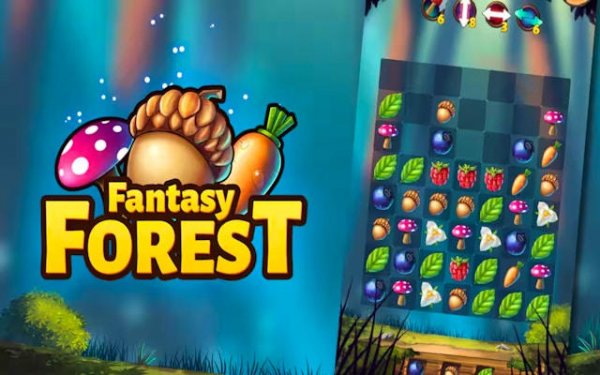
Bright, cheerful colors and a gentle forest backdrop define the look. Fruit tiles are drawn in a friendly cartoon style that suits all ages, and the soft lighting creates a calm atmosphere. The uncluttered presentation keeps the board easy to read, which helps players focus on planning rather than navigating visual noise.
Gradual Difficulty and Progression
Difficulty climbs steadily. Early boards are simple and act as a tutorial for the basic mechanics. Later levels introduce more complex patterns and tighter move limits, keeping the challenge engaging without becoming frustrating. Players who enjoy refining their strategies and improving scores will find room to grow across the campaign.
Compatibility
FAQ
Comments
Sign in to leave a review
No comments yet.








Editorial Notes